The Truth About Communication in the Workplace
The Truth About Communication in the Workplace Author Fred Layman Published on January 16, 202 Category Real Estate Recent Posts The Truth About Communication in the Workplace January 16, 2026 | by Akshay K Read More → Fred Layman Inks a Deal to Publish Groundbreaking Expose’ About the Inconvenient Truths Behind the Town of Blythewood’s Leadership January 16, 2026 | by Akshay K Read More → Get in Touch 803-514-6579 fred@fredlayman.com 813 – Reynolds Court Grovetown, Georgia 30813 Send a Message George Bernard Shaw once said, “The single biggest problem in communication is the illusion that it has taken place.” These communication tips will help stop the spread of workplace confusion. Imagine some frustrating interactions you have throughout your workday. Your voice isn’t being heard during meetings; Department Heads send vague, confusing emails. You feel a rising sense of anxiety that your direct reports won’t execute on the tasks asked of them. Each of these cases has one thing in common: a failure of communication. When communicating, our essential goal is to reach a mutual understanding. We aim to have everyone in the same boat, rowing in the same direction. AVOID ASSUMPTIONS One of the fastest paths to a communication breakdown is assuming your listeners know the same knowledge as you. As Alain Hunkins, author of Cracking the Leadership Code, puts it, “You’re the center of your information. It is crystal clear in your mind, but no one else has the same background. This lack of context, the inability to frame things, can create misunderstanding.” The antidote to avoiding assumption-based confusion is clarity. Ensure your message is straightforward and quantifiable, and when in doubt, provide an extensive amount of information rather than not enough. Unsure whether thought has landed? Ask your listeners. See if they can paraphrase your words back to you. Don’t assume your message was received just because the words were spoken aloud. Similarly, avoid making the assumption that an email sent is an understanding gained. In the halting and frequently one-way communication of email, follow-up with your conversation partner is critical. CLARIFY YOUR PURSUITS Anyone who has ever received a vague, confusing, or downright pointless email can appreciate that more communication is not the same thing as good communication. Before you fire off a Slack chat or hit “send” on a companywide email, take a moment to consider what you’re trying to achieve. Knowing clearly what your goal is can help you choose the right medium for communication. For instance, before you call a meeting with your whole staff, it’s a good idea to ask yourself if this is the best way of getting everyone on the same page. Could the same message be conveyed in an email thread? Research indicates people often mindlessly slip into wasting time at work, usually through “cyberloafing” activities like checking social media. Avoid contributing to this well of distractions by drowning your colleagues in unnecessary communication. PAY ATTENTION TO YOUR TONE There is an idea pioneered by the academic Albert Mehrabian called the “7-38-55” rule. The rule holds that only 7% of communication is verbal, 55% is body language, and the remaining 38% is the tone of voice. While subsequent analysis has found that this breakdown isn’t as simple as it seems, a lot of how we communicate indeed comes down to tone. When it comes to verbal communication, the way, you say something matters. Hunkins notes that advertisers often run with this concept when creating emotionally persuasive materials. “People are driven way more strongly by emotions than by logic. The tone of our voice sends messages about how we’re feeling.” Taking note of your tone isn’t just for verbal communication. In writing, the style is conveyed through language choice and formatting. Take, for instance, when a relative sends you an email where every other word is capitalized or where each sentence ends with an exclamation point. In either case, it feels like the sender is shouting their words at you. In a workplace setting, your written tone matters. Be aware of the difference between sending a chatty, unpunctuated instant message to an office friend versus sending a project update to your boss. By focusing on the tone of your writing and your speech, you’ll be more likely to meet your goals at work. PRACTICE ACTIVE LISTENING Communication is a two-way street. If you’re not listening, then you’re not communicating effectively. It’s that simple. There’s a difference between active and passive listening. Active listening means you’ve fully absorbed what the speaker has said and demonstrated that you understood their words. Notably, this means not interrupting, asking follow-up questions, and not dragging the conversation away from the speaker’s topic. At my company, each of our guests has an opinion about our club. But we consider their feedback invaluable, as that is how we know what is working and what is not. Admittedly, this feedback is not always easy to hear, but we can deliver a more robust experience by absorbing our customers’ needs and wants. To be clear, listening doesn’t mean reflexively agreeing with everything you’re told. More so, every participant in a conversation has a responsibility to foster an environment conducive to open communication. Active listening and avoiding judgmental language, and respecting others’ perspectives are a big part of effective and transparent communication. Fred W. Layman III, USPTA, NGCOA, GSGA, SCGA, USGA, General Manager/COO, The Windermere Club, is the President of an Augusta, Georgia based club lifestyle management and consulting firm focused on supporting golf club owners, country clubs, residential developers, asset managers and community boards in the successful operation of their resort, club, tennis, golf, and food and beverage operations. His articles can be viewed on FredLayman.com. Email: Fred@FredLayman.comBackground: Golf and Tennis Club Owner, Developer, Home Builder, Hospitality, Lifestyle and Leisure
Fred Layman Inks a Deal to Publish Groundbreaking Expose’ About the Inconvenient Truths Behind the Town of Blythewood’s Leadership
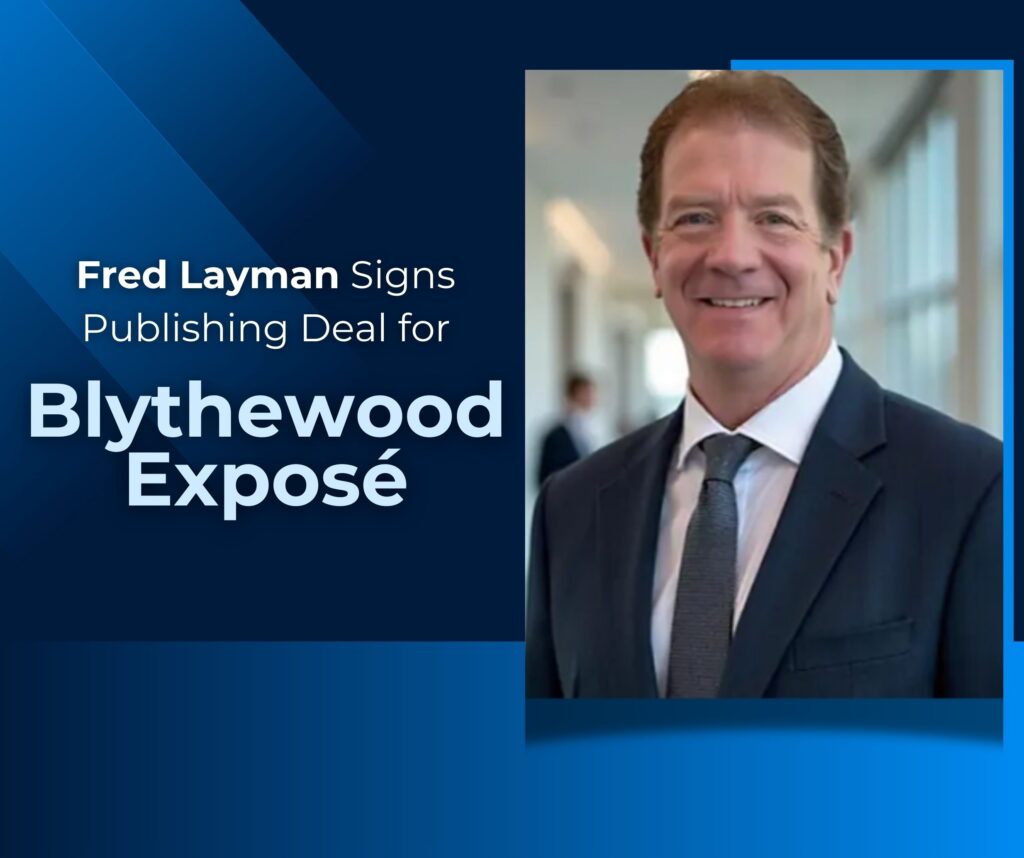
Fred Layman Inks a Deal to Publish Groundbreaking Expose’ About the Inconvenient Truths Behind the Town of Blythewood’s Leadership Author Fred Layman Published on January 16, 202 Category Real Estate Recent Posts The Truth About Communication in the Workplace January 16, 2026 | by Akshay K Read More → Fred Layman Inks a Deal to Publish Groundbreaking Expose’ About the Inconvenient Truths Behind the Town of Blythewood’s Leadership January 16, 2026 | by Akshay K Read More → Get in Touch 803-514-6579 fred@fredlayman.com 813 – Reynolds Court Grovetown, Georgia 30813 Send a Message A seasoned operations professional lifts the veil on governance, accountability, and the human cost of municipal drama in a small town Date: January 16, 2026 Overview Fred Layman announces the publication of his first book, a revealing examination of the inner workings of the Town of Blythewood. The book explores the challenges faced by a newly appointed Director of Operations tasked with stabilizing a transitioning municipal facility burdened by a $1.3 million deficit—while navigating political infighting, governance conflicts, and intense public scrutiny. Drawing from firsthand experience and documented interactions, the book provides an unfiltered look at the realities of municipal management when professional responsibility collides with political power. What the Book Covers The book examines: Author’s Intent Fred Layman aims to illuminate the inconvenient truths that can surface when local government and community institutions operate under competing visions, political pressure, and limited resources. Grounded in thorough documentation and firsthand accounts, the book reflects the experience of a dedicated operations professional striving to safeguard public interests in a highly charged environment. Publication Details Why This Book Matters About the Author Fred Layman is a devoted father of seven who was tasked with an almost impossible responsibility: transitioning a dysfunctional municipal operation under overwhelmingly difficult circumstances. Serving as a whistleblower, Layman documented alleged misuse of amenities by the mayor at a time when many town employees were reluctant to speak out. He provided documentation requested by the town attorney through a FOIA process and subsequently faced political retaliation, resulting in significant personal and familial consequences. This book reflects his commitment to accountability, transparent governance, and public service integrity. Quotes “This book is about accountability, not accusation.” — Fred Layman “When governance and power collide, the truth protects the public.” — Michelle Ann Layman Upcoming Events and Appearances Media Opportunities Media interviews and coverage opportunities — To Be Determined How to Obtain the Book Notes for Editors This book presents a narrative anchored in documented conversations and publicly observable events, addressing governance concerns, fiduciary duties, and the lived experiences of municipal professionals. Readers seeking insight into municipal management, public accountability, and the complexities of local politics will find a detailed, evidence-based account. Fred Layman has signed a publishing agreement with Fresh Books Tree, an international publishing and marketing services partner supporting distribution strategy, media outreach, and global visibility, while maintaining the author’s independence and creative authority. Contact Information Name: Fresh Books TreeTitle: Book Publishing CompanyPhone:+91 869-909-9252Email: info@freshbookstree.comWebsite: https://freshbookstree.com